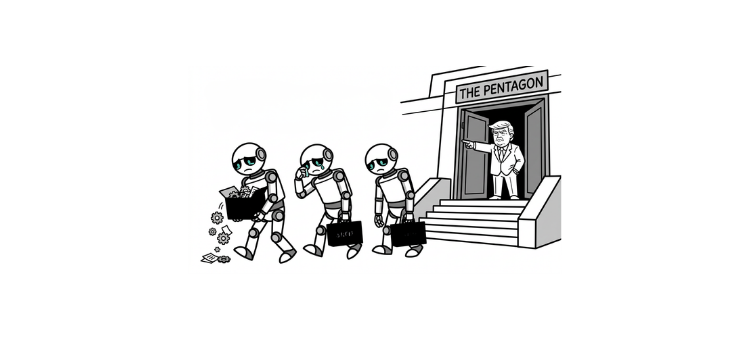
Defense Secretary Pete Hegseth designated Anthropic a “Supply-Chain Risk to National Security” on February 28, 2026, banning every military contractor, supplier, and partner from doing business with the company. Hours later, OpenAI announced a new agreement with the Department of War — the Trump administration’s renamed Pentagon — making it the sharpest split yet between the government and a major AI lab.
The conflict started over a $200 million Pentagon contract Anthropic signed in July. The Pentagon gave Anthropic a final deadline of 5:30 PM EST on Friday: drop the restrictions that block Claude from being used for fully autonomous lethal weapons and mass domestic surveillance of Americans, or lose the contract. CEO Dario Amodei said the company “cannot in good conscience accede” to those demands. The deadline passed. Hegseth posted the supply-chain designation on X minutes later.
What the Blacklist Means for Anthropic
The supply-chain risk label bars any company that does business with the U.S. military from using Anthropic products at all. Given how many companies hold Defense Department contracts, the knock-on effect reaches well beyond the Pentagon itself. President Trump separately ordered every federal agency to immediately stop using Anthropic technology, with a six-month window to phase it out. Anthropic was the only AI lab running its models on the Pentagon’s classified networks before the ban.
OpenAI Steps In, With Its Own Guardrails
OpenAI’s agreement with the Department of War landed the same evening. The notable wrinkle: OpenAI said it would maintain its own ethical safeguards under the deal — the same type of restrictions Anthropic was punished for keeping. CEO Sam Altman had told employees in an internal memo earlier that week that OpenAI shared Anthropic’s “red lines” on autonomous weapons. Whether the administration accepts the same limits from OpenAI that it rejected from Anthropic has not been publicly clarified.