
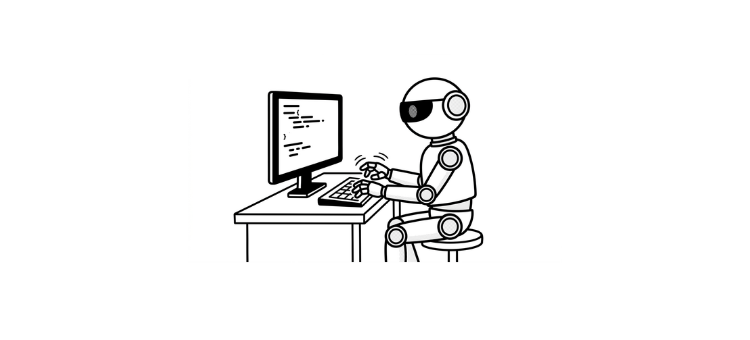
Microsoft launched Copilot Tasks on February 26, a research preview that puts an AI agent in charge of a dedicated cloud computer to complete work on your behalf. You describe a task in plain English, and the agent figures out the steps, runs them in the background, and reports back — without you staying in the loop.
This is a meaningful shift for Copilot. Until now, Microsoft’s AI assistant answered questions and drafted text. Copilot Tasks actually does things: it browses the web, moves between apps, creates documents, sends emails, and can even contact businesses or book appointments. The agent runs in a contained cloud browser (a sandboxed virtual computer) so it operates separately from your local machine.
What It Can Do Right Now
Microsoft’s own testing surfaces a handful of real use cases. The agent can scan your inbox, find recurring subscriptions, and cancel the ones you flag. It can pull emails, attachments, and images and assemble them into a slide deck. It handles scheduling, research, and inbox triage too. Before it takes any action that spends money or sends a message, it stops and asks for your explicit approval.
The preview is currently rolling out to a small group of users. Microsoft describes Copilot Tasks as designed for everyone — not just developers or enterprise teams — which sets it apart from most current agent tools, which require technical setup or paid enterprise plans.
Where It Fits in the Agent Race
Anthropic’s Claude computer-use agent covers similar ground, giving an AI model direct control over a desktop or browser to complete tasks autonomously. Microsoft’s approach leans on its existing cloud infrastructure and deep integration with apps like Outlook, Teams, and the broader Microsoft 365 suite, rather than requiring a standalone setup. The broader agent market is moving fast. OpenAI, Google, and Anthropic all have active products in this space, making Copilot Tasks the fourth major computer-use agent to reach users in recent months.
No pricing has been announced for Copilot Tasks beyond the current free research preview. A wider rollout date has not been confirmed.